4/23/2026
What Is a Cacao Ceremony? We Asked an Experienced Cacao Ceremony Facilitator
Everything You Need to Know About Hosting a Cacao Ceremony: History, Preparation, and What to Expect
Should You Try a Cacao Ceremony?
At Vajra Jahra Retreat Center, we have helped retreat leaders host a variety of wellness practices from our gorgeous rainforest facility. Among these, one of the most beloved is the cacao ceremony, a deeply immersive experience that honors ancient traditions while providing a connection to the present moment. Though all centered around the same substance—pure liquid cacao, also known as ceremonial cacao—these ceremonies are multifaceted, easily matching the energy of a group and delivering unique benefits to each person.
To understand more about the magic behind this practice, we spoke to Costa Rica-based wellness coach Katya Samana, who has extensive experience as a cacao ceremony facilitator, including leading ceremonies at Vajra Jahra. Her insights provide a window into the heart of this ancient practice, allowing us to better understand not only what a cacao ceremony looks like on the surface, but all the care and intention that goes into it from the very beginning. Read on to gain a deeper understanding of the cacao ceremony—from its historical roots to the modern day.
What Is a Cacao Ceremony?
A cacao ceremony is a heart-opening experience centered in gratitude, intention, and connection, inherited from the traditional ceremonial use of cacao across Central American cultures. At the center of the ceremony is, of course, the drinking of ceremonial cacao, but most cacao ceremonies will involve other practices to help create a more holistic experience and allow participants to maximize the benefits of this sacred medicine.
Cacao Ceremonies: History & Cultural Relevance
Most people know cacao primarily as the main ingredient in modern-day chocolate, but this plant has a much richer history just under the surface. Many ancient civilizations in Central America used cacao as sacred medicine. Traditionally, cacao was taken in a ceremonial setting to connect with the gods, with each other, and with oneself. Time may have moved on, but as Katya put it, “people growing cacao here continue the ancient tradition,” ensuring these roots are not forgotten.
Though the ceremonial use of cacao doesn’t look exactly the same as it once did, Katya described to us how modern practitioners have inherited the best of the practice’s history. “I say we are bridging the worlds… with gratitude to ancestors, but also using it more for emotional release or relaxation.” Those who use cacao with intention, like Katya does, are able to craft an experience that honors cacao’s ancient history while taking full advantage of the scientifically-supported benefits of ceremonial cacao.
What Does a Cacao Ceremony Look Like?
The core of any cacao ceremony is the drinking of the cacao, but in most cases, you won’t start with this right away. Your experience will be defined not only by this central action, but by what you do before and after. Every ceremony looks a little different, depending on your facilitator, your group, and the intentions you bring.
We asked Katya to describe to us her own process when as a cacao ceremony facilitator. Though your experience might not be exactly the same, her descriptions help paint a more vivid picture of the intent behind this practice, so you can gain a better idea of what to expect.
Setting the Tone
The process typically begins with some mental, emotional, and spiritual preparation. This is a time in which the facilitator may acknowledge the ancestral traditions and set expectations for the experience. Participants may engage in meditation or breathing exercises to center themselves and open their hearts to the experience.
Katya likes to open by discussing what participants are hoping to get out of the experience. “We always bring our intention, right? Why I am here, what I would love to receive from this ceremony, from this cacao.” When it comes to Katya’s own intentions, one of the primary ones is union. “Cacao usually was used… to gather people together… So we can bring our intention for peace, you know, peace on earth, peace between people, inner peace within ourselves.”
Drinking the Cacao
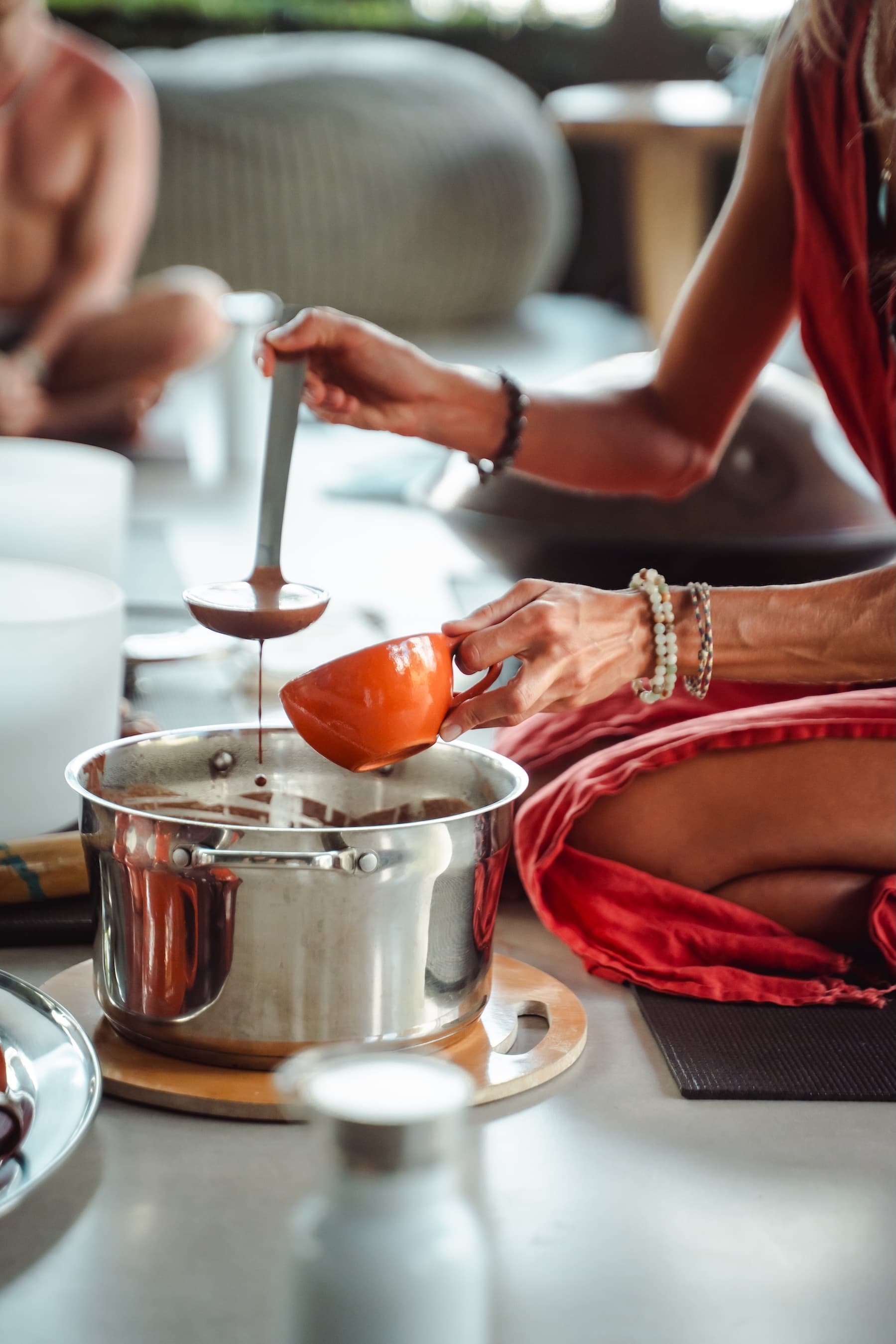
Once the facilitator has guided participants into the right mindset for the ceremony, the drinking of the cacao can begin. Katya usually finishes preparing the cacao with hot water right before the beginning of the ceremony, so it is served warm and fresh. She advises against going too fast, instead having participants experience the unique flavor “in a very conscious way, not just drinking the whole cup, but litte by little.” During this time, they can really focus on the cacao with all of their senses, praying or meditating on the experience as they savor the moment.
“There is no additional sugar,” Katya explains, calling the taste somewhat “earthy” and “very strong.” However, she adds that alongside the bitterness, it contains a natural sweetness. “People usually who try it for the first time, they’re very surprised because it’s very, very different from what they’re used to eating.”
Because cacao’s flavor is so powerful, Katya is mindful of the fact that some participants might prefer a slightly gentler introduction. There are a few ways to sweeten the mixture—sometimes, Katya will set out a little honey that individual participants can use if they wish—but she recommends at least trying pure cacao for itself. “It’s so rich; the taste is very different.”
Opening Up
Once the cacao is working its way through the body, the facilitator guides the group through practices to help participants receive its effects, which may include meditation, chanting, or breathwork. For Katya, it’s singing. “Usually, I offer a song… It’s usually very simple and everyone can repeat the words.” According to her, there are many different songs that can be used, both ancient and modern. “It’s beautiful, and people start to repeat little by little, or they just listen to it.”
While the experience of singing together can help to foster a feeling of a truly sacred environment, Katya also uses it to help people “open their voice,” and express their own unique and authentic truth. “I really invite people during the cacao ceremony to not be afraid to express their voices,” she said. “Because we all learn how to be silent, how to suppress, how to hold, how to be strong. That’s why we create so much tension in our voice, and our throats, and our bodies.”
Unleashing the Body
As people grow more comfortable opening their voices, Katya then leads them into expressing themselves further through movement. “As the cacao starts to energize our bodies, it’s good to move.” Though it’s not necessarily a part of every cacao ceremony, Katya greatly appreciates the effect it can have.
“Cacao helps, because it’s just so hard for us, especially for people who come in for a retreat from the busy, busy city from their busy life; from one reality to another reality,” she told us, “If we ask them to start to dance from this moment, it’s impossible, people just don’t know how to move their body without any instruction.” So, aided by the energizing and heart-opening benefits of ceremonial cacao, Katya gives them “some clues” to help them get more comfortable with expressing themselves through the body.
In most cases, the effects of drinking ceremonial cacao are felt within 20-40 minutes. Whether through singing, dancing, or other activities, participants can feel more in tune with themselves and each other, taking the opportunity to truly relax and reconnect with their true feelings. “As I see in my own experience,” Katya says, “magic is happening more and more. People start to open themselves.”
Closing the Ceremony
As the ceremony draws to a close, the facilitator may help guide participants into a more neutral state. Katya usually closes a cacao ceremony with a sound bath, allowing for relaxation and healing through sound. “People can really integrate, relax… they just feel the vibration of the music.”
When asked about what participants should do after the ceremony has ended, Katya had a few suggestions to share. “It’s a really good time to integrate, meditate, journal all of your experience.” This can allow you to continue to reflect on the benefits you experienced, and perhaps to even uncover new revelations after the fact.
How Safe Are Cacao Ceremonies?
According to Katya, cacao ceremonies can often be a safer option than other, similar practices. When taking part in psychedelic experiences such as ayahuasca retreats, for example, “you need time to prepare yourself… You have to know and be very conscious where you’re going, who’s the shaman, what you will receive at the end of it.” She added that many psychedelic experiences pose a risk of exacerbating existing mental health issues, so it’s extra important to be sure you are in the right headspace before taking part.
By contrast, ceremonial cacao is not quite as intense and typically requires less in the way of preparation. Katya described it as light enough that it could be enjoyed once a month, or perhaps even once every two weeks, depending on your experience with it and the intensity of the mixture.
How Should I Prepare for a Cacao Ceremony?
Though cacao ceremonies are not psychedelic experiences, and as such come with less intense effects, they can still encourage a heightened emotional state. There are a few ways you can prepare yourself ahead of time, especially for your first experience with ceremonial grade cacao, to help things go more smoothly and amplify the benefits you experience.
Set Intentions
With any type of transformative spiritual experience, it’s highly recommended to spend some time reflecting on what you’re hoping to achieve. Ceremonial cacao can clear up your mind and help you listen to your authentic voice, but if you want to center the experience on a particular aspect of your life, it’s good to go in with a set intention.
Manage Expectations
While a cacao ceremony in Costa Rica may feel truly magical, it’s important not to let your ideas of what the experience might be distract from what it is. Rather than anticipating a lifechanging experience to happen out of the blue, come in with an open mind and ready to participate to the fullest extent. This helps you to get the most out of the experience without setting yourself up for unnecessary disappointment.
Spend Some Time in Reflection
Meditating or journaling beforehand can help you become more comfortable with the creative, contemplative state that a cacao ceremony promotes. It can also be a great way to discover and flesh out your intentions and expectations if you’re not sure right away what you want to get out of the experience.
Talk to Your Facilitator
Many cacao ceremony facilitators, including Katya, are deeply invested in providing a positive and uplifting experience for participants. So don’t be afraid to reach out to them ahead of time to discuss your goals, anxieties, and any questions you have. This may help them to better guide you through the cacao’s effects and facilitate your experience.
Enter with a Respectful Mindset
One of the great things about a cacao ceremony is the sense of community it can foster. While connecting with those around you can be a positive experience, it’s a good idea to maintain an air of respect for the ceremony and its cultural history. Katya shared with us that while she ultimately aims to match the energy of the group, she urges participants in any spiritual practices to remember that they are taking part in a “sacred journey.” Instead of just treating the experience as a social engagement, really lean into accepting the fullness of what it has to offer. This doesn’t mean you should just sit completely silent, but Katya suggests that you “be conscious not to… speak without intention.”
Where Can I Host a Cacao Ceremony?
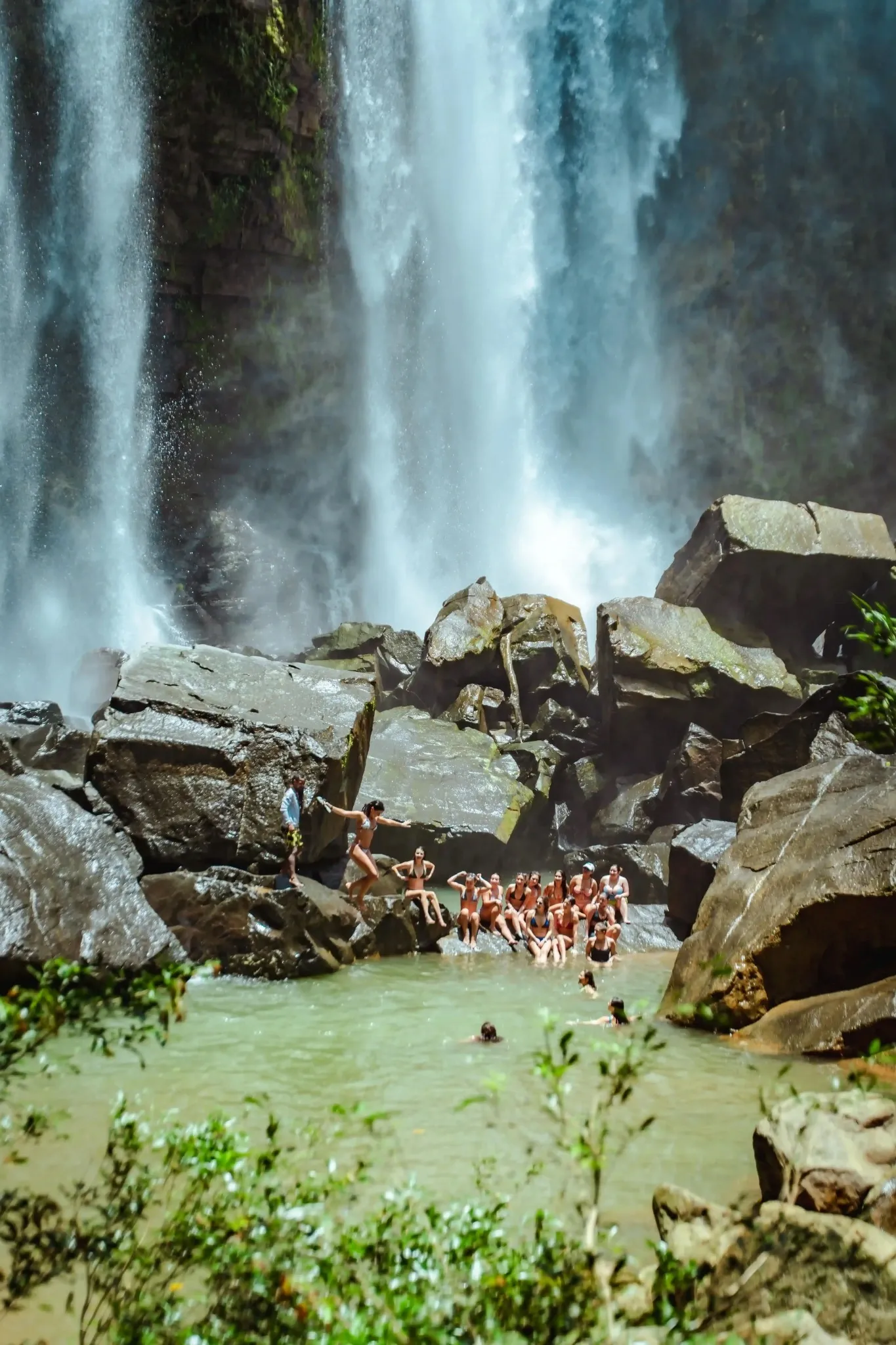
To ensure you receive the full benefits of the cacao ceremony in Costa Rica, it’s crucial to create a sacred space where participants can fully immerse themselves in the experience. At Vajra Jahra Retreat Center, we offer the option to host a cacao ceremony in our shared studio space, which is nestled in the heart of the jungle and offers breathtaking views of the tallest waterfall in Costa Rica. The serene and natural setting amplifies the spiritual energy of the ceremony, helping participants connect more deeply with themselves and the surrounding environment.
The combination of this stunning location with the sacred rituals of the cacao ceremony creates a truly transformative experience. We strive to honor the indigenous cultures that have shaped this practice, while also providing modern amenities that enhance the overall experience. By blending ancient wisdom with contemporary comforts, Vajra Jahra Retreat Center offers a unique and powerful Costa Rica cacao ceremony that can be customized to meet your specific needs, making the most of both the spiritual and natural elements of our beautiful retreat setting.
Special thanks to Katya Samana for sharing her extensive insights, which made this blog possible. You can learn more about Katya’s work by visiting katyasamana.com or following @katya_samana on Instagram.
Recent Posts
Understanding Kundalini Yoga: What It Is & What It Isn't
Discover what kundalini yoga is, its ancient roots, and the truth behind its reputation for danger.
Top 5 Best Places to Host a Yoga Retreat in Costa Rica
Looking for the best place to host a yoga retreat in Costa Rica? Our top picks ranked, and why they stand out.

Reflecting on the Disastrous Plex Corporate Retreat: What Went Wrong?
Diving Into the Story of a Corporate Retreat That Almost Became Its Own Horror Movie—and What We Can Learn From It.

Ready to book?
Start planning your next adventure at Vajra Jahra Retreat Center.