
4/9/2026
5 Step Guide to Team Building Retreats
How to Plan an Unforgettable Team Building Retreat with Vajra Jahra. Tips to Repair Collaborative Workflow and Boost Team Morale.
Planning a Team-Building Retreat: A Guide to Authentic Connection and Explosive Growth
They say many hands make light work—a team can tackle a project much more effectively when they’re all on the same page. But how do you get them there? Despite the clear benefits of collaboration, it is not always easy to bring different personalities together in pursuit of one goal. Even when your whole team is cordial and respectful in a professional setting, there are countless possible friction points that can clog up the workflow and affect your productivity. If your team has been struggling to mesh, it might be time to plan a team building retreat.
Team retreats not only offer a rejuvenating change of pace for burnt-out team members, but can also encourage the whole group to embrace a more collective mindset. A retreat may not be a cure-all for every problem in the workplace, but if planned well, it can motivate your entire team towards their full potential. So how do you go about planning a retreat for your team? Let’s break it down into five basic steps.
1. Define Your Purpose
Not every retreat starts out with a clearly defined purpose, but if you really want to make the most out of the time you have, it’s essential to clearly determine your goals before you begin planning. Taking the time to truly understand what it is you want to achieve can help you save time and resources. For example, in some cases, you may determine that only certain team members need to attend, such as in the case of an executive leadership retreat.
Identify the Problem
Let’s start with a simple truth: if you’re considering a team building retreat, there is some kind of problem you’re trying to solve. Before you do anything else, clearly identify what this problem is. (There may be multiple.) It may be as simple as a vague feeling that your team is underperforming or doesn’t quite mesh. But the more specific you can get, the more effectively you can address the problem.
Here are some examples of problems you may be facing:
- “My team isn’t consistently meeting key deliverables, and I can’t figure out why.”
- “I’ve noticed friction between certain team members, and it’s affecting the quality of our work.”
- “The work my team puts out feels disharmonious and lacks a common vision.”
- “Many team members seem anxious to present their honest thoughts to leadership.”
Once you feel certain about the problems you want to address, you can start brainstorming ways to solve it. Remember that the issues you identify may primarily be symptoms, and you may have to do some more digging to figure out how to solve them.
Gather Feedback From Your Team
One of the best ways to get an idea of how you can address your team’s workflow issues is by going straight to the source. You see the big picture, but your team members each have a unique perspective from closer up. Asking your team members to help you identify workflow and cohesion issues is like holding up a magnifying glass to uncover hidden clues—you can still understand each perspective with context to the full picture, but now with much clearer detail than before.
But remember that if there are issues with communication or trust within your team, you may not be immune to this. Not all team members may feel completely comfortable speaking honestly about any issues they’ve observed. To combat this, consider finding ways to make these conversations private, or better yet, anonymous. Opening the floor to honest feedback means you have more information to work with.
2. Give Your Retreat an Identity
Now that your team building retreat has a defined purpose, it’s time to start visualizing. What will this retreat look like? How will the participants remember it? What lessons will they take away from it? Some team retreats may look like relaxing getaways, while others will be more intense experiences designed to challenge participants to rise to the occasion. Think carefully about the type of experience you want to create—you might even consider naming a retreat theme to give it a clear identity. Here are just a few retreat theme ideas that can enhance team-building:
- Trust-Building. Center your retreat around activities that require participants to trust and rely on each other.
- Topsy-Turvy. For the duration of the retreat, have your team members step into each other’s shoes; for example, have lower-level team members take on leadership roles over your usual management.
- Flexibility. Push team members outside of their comfort zone by emphasizing change, and shaking up group dynamics as often as possible.
- Friendly Competition. Split your group into two or more evenly matched teams, and have them compete throughout the retreat to earn points. Guarantee an enticing reward for the team that earns the most points by the end of the retreat—this helps motivate results-oriented teamwork.
Use the feedback you’ve gotten to inform this stage of the planning process. For example, if there’s an ongoing breakdown in communication between regular team members and team leads, you may want to focus the retreat on building trust and honesty along this boundary. Or if there is a lack of synergy between different departments, perhaps you’ll structure the retreat around mixing up team dynamics and tearing down these walls.
3. Choose the Right Retreat Venue
When planning a retreat, the importance of setting cannot be overstated. It’s essential to choose a location that not only meets your needs but also offers a “Wow” factor to properly set the tone—especially in an immersive natural setting such as in the forest, the mountains, or by the beach.
Think back to your overall objective when selecting the venue, and make sure the venue matches your vision for the retreat. If you want to push your team to their limits, find a venue that will let you incorporate high-adrenaline activities like rock-climbing, ziplining, and more. Alternatively, if you’re looking for an opportunity to help your team relieve tension and expand their creativity, you should look for a venue that offers restorative experiences like guided meditation, cacao ceremonies, and sound healing.
Additional Venue Considerations
Consider the overall experience of the venue. Are the accommodations comfortable? Is there a chef on-site? Are meals included in the venue? Is there wifi and AC on the property? Does the venue offer transportation and logistical support?
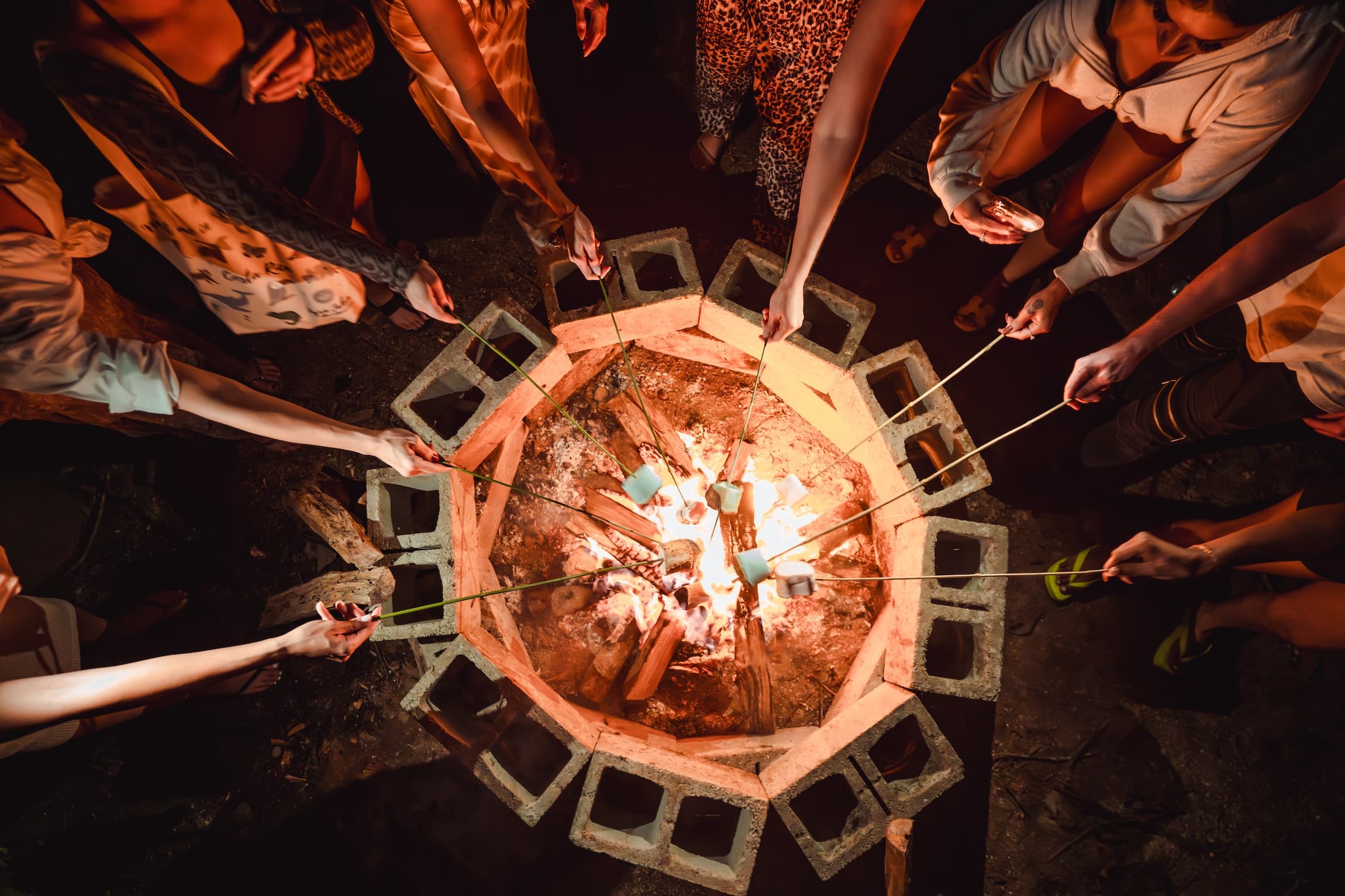
Moreover, consider the layout of the venue and the available facilities that can be used during downtime. After a long day of activities, your staff will be exhausted, and it’s a good idea to let them decompress on their own. Especially for team building retreats, a venue with on-site spaces that foster connection is ideal. Imagine the bonds that can be formed as your team members share stories by the fire pit or take a relaxing dip in the pool.
4. Lock the Date
Selecting the ideal date for your corporate retreat requires consideration of your company’s workload, team availability, and the venue’s location. If outdoor activities are a key part of your retreat, plan for a time of year when the location offers favorable weather. For instance, if your destination is in Costa Rica, you’ll likely want to aim for the dry season from midwinter to early spring, which is one of the best times to travel to Costa Rica for outdoor activities. Aim for a period when your team’s workload is lighter, allowing your team to fully engage without distractions.
Note that when hosting a retreat, it is important to book a venue far in advance to ensure availability from all parties involved—aim for at least six months. Coordinating with key team members to avoid conflicts with holidays or vacations will also help ensure maximum participation and a more successful event.
5. Create a Detailed Itinerary
A well-organized itinerary is crucial to the success of your corporate retreat. While planning a retreat for your team, take the time to develop a schedule that includes all planned activities, meetings, excursions, and meals. Clearly label dates, times, and locations to ensure everyone knows where they need to be and when. While it's important to have a structured agenda, don't forget to include unstructured free time for relaxation and informal socializing. This downtime allows your team to unwind and recharge, ensuring they remain engaged and energized throughout the retreat.
Plan Engaging Activities & Excursions
A successful team building retreat is characterized by well-planned retreat activities that foster team bonding and promote engagement. During the corporate retreat planning process, research and book activities that align with your retreat's goals and your team's interests. Whether it's on-site team-building exercises, outdoor adventures, or cultural excursions, the activities should be enjoyable and meaningful.
Be sure to include a variety of games that encourage teamwork, problem-solving, and healthy competition. From high-intensity physical competitions to laid-back scavenger hunts, these activities help strengthen relationships and build camaraderie among team members.
Plan a Costa Rica Leadership Retreat with Vajra Jahra
Corporate retreat planning can be a complex process, but choosing the right partner can make all the difference. Vajra Jahra Retreat Center in Costa Rica offers everything you need to create an unforgettable corporate retreat experience. Our luxury villas are nestled in nature, with the breathtaking Diamante Valley of Costa Rica as a backdrop, offering a serene environment where your team can reconnect and recharge. With on-site amenities like a fire pit, infinity pool, and hiking trails, there are endless opportunities for relaxation and adventure.
Recent Posts

Understanding Kundalini Yoga: What It Is & What It Isn't
Discover what kundalini yoga is, its ancient roots, and the truth behind its reputation for danger.

Top 5 Best Places to Host a Yoga Retreat in Costa Rica
Looking for the best place to host a yoga retreat in Costa Rica? Our top picks ranked, and why they stand out.

Reflecting on the Disastrous Plex Corporate Retreat: What Went Wrong?
Diving Into the Story of a Corporate Retreat That Almost Became Its Own Horror Movie—and What We Can Learn From It.


Ready to book?
Start planning your next adventure at Vajra Jahra Retreat Center.