
4/26/2025
When is the Best Time to Travel to Costa Rica? Key Travel Insights
Find the best time to visit Costa Rica with this month-by-month breakdown of how its shifting seasons affect weather, crowds, and activities.
Quick Look
Need a quick answer? There are many factors affecting the best season to visit Costa Rica, but here is a brief overview of some of the best times to visit for specific types of travelers:
- Best time to sunbathe on Costa Rica’s beaches: December – April
- Best time to travel to Costa Rica for surfing: June – September
- Best time to chase Costa Rica waterfalls: May – November
- Best time to see turtles in Costa Rica: July – September
- Best time to visit Costa Rica for whale-watching: August – October
The Best Times to Travel to Costa Rica: A Look at Climate, Crowding, & More
From the glittering Caribbean coast to the gorgeous Diamante Valley, Costa Rica’s tropical climate and diverse landscape have made it a widely popular travel destination. But when is the best time to travel to Costa Rica? The experience you have can vary widely from month to month, so the answer depends on what you’re looking for. Not to worry—we’ve got you covered with this quick guide, including a month-by-month breakdown so you can choose the very best time to visit Costa Rica.
Before we get fully into the weeds, though, let’s quickly run down the main factors influencing your decision:
- Consistent weather patterns. Most of Costa Rica experiences distinct rainy and dry seasons, which typically rotate on a consistent yearly schedule. This means weather can be easier to predict, but it’s a good idea to think about what kind of weather will best suit your trip, and plan to go during the appropriate season.
- Distinct regions. While most of Costa Rica experiences one distinct rainy and dry season every year, there are exceptions. The main diverging climate is found on the Caribbean coast, which cycles through rainy and dry seasons more frequently throughout the year. It’s important to know where in Costa Rica you plan to go, so you are following the correct weather patterns.
- Wildlife behavior. Just like the weather, the natural life in Costa Rica also tends to operate in yearly cycles. For instance, whales can typically only be seen off the Pacific coast during certain months in the latter half of the year. The nation is gorgeous and teeming with life all year round, but if you’re looking for specific flora or fauna, you should plan your travel dates in accordance with their seasonal activity.
- Fluctuating crowd volume. Costa Rica is a popular travel destination year-round, but it is much more crowded during some months than others. For instance, the winter holidays see high tourist numbers, as many people have time off work and much of the nation will be in a dry season, which many consider to be the best season to visit Costa Rica.
The Best Time to Visit Costa Rica: Monthly Breakdown
January
- Sunny weather
- Heavy crowding
- More expensive
Most of Costa Rica starts off the calendar year with the dry season entering full swing. There may be some rainfall here and there, but for the most part you can expect sunnier weather throughout the month. On the Caribbean coast, the weather can be rainier, but you might start to see some clear skies as the month draws to a close.
Costa Rica is especially popular during the wintertime, especially during the holiday season, as travelers from the US and other countries in the Northern Hemisphere are looking to get out of the winter cold. Crowds are also drawn in for Las Fiestas de Palmares, one of the biggest festivals in Costa Rica, which occurs in the city of Palmares in Alajuela, Costa Rica. Because of all this, January is also peak pricing season for Costa Rica travel—so be prepared for higher travel expenses if you decide to visit.
For wildlife watchers, vacationers and festival-goers aren’t the only crowds drawn in by the sunny weather. January can be a great time to see migrating birds, as well as humpback whales arriving to the Pacific coast from the Northern hemisphere. January also falls within hatching season on the Pacific for several kinds of turtles, making it a good time of year to see baby turtles emerge.
February
- Peak of dry season
- Lower crowds
- See various wildlife
February can be a quite pleasant time to visit Costa Rica. Both the Pacific and Caribbean climates should be in a dry period, meaning rainfall is typically scarce, though not entirely absent. For most of the nation, especially the Pacific Coast, February sees the dry season at its peak, one of the best times to travel to Costa Rica’s beaches.
While February is still a popular time to visit Costa Rica, it is less bustling than December or January, as the holiday season draws to a full close. However, it is still a popular time to visit Costa Rica, especially during Envision festival in Uvita, which typically starts in mid-to-late February.
Just like January, February can be a good time to see birds, whales, turtles, and other wildlife. Being one of the clearest times of year on the Pacific coast, it is also a great time to go snorkeling with great visibility, unless you’re planning to stay on the Caribbean side.
March
- Warm, dry weather on both coasts
- Holy week / spring break impact crowding
- Rivers and waterfalls tend to be dry
By March, you can expect some of the warmest weather Costa Rica has to offer, with the dry season still in full effect on both the Pacific and Caribbean coasts. It can be a great time to sunbathe on the beach, or to take a tour through Costa Rica’s gorgeous rainforest. However, if you’re hoping to chase waterfalls or see Costa Rica’s rivers, you may want to wait until a rainier time of year, as these features tend to be at their driest around this month.
The week leading up to Easter is known as Semana Santa, and often occurs in late March. This is a major holiday and widely celebrated season in Costa Rica, with locals typically attending multiple masses throughout the week, and weeklong festivities. Many Costa Ricans will be free from work during this time, leaving more time for leisure activities.
It’s a great time to witness local culture in action, but it is also one of the busiest times of year, especially when you account for international travelers arriving for spring break. Expect heavy crowding and high pricing if this week happens to fall during your trip, and plan far ahead—you don’t want anything to fill up before you’re able to book.

April
- Holy week / spring break impact crowding
- Light rain showers may begin
- Select wildlife viewing
Throughout most of Costa Rica, April will still see plenty of warm, sunny weather, but especially towards the end of April you will likely begin to see more rain showers. By this point in the year, the rainy season is fast approaching on the Pacific side. On the Caribbean coast, the rainy season will likely arrive even faster.
Just like March, April can often face heavy crowding in the weeks surrounding Easter, especially if Semana Santa happens to fall in April. This can also lead to high prices and booking difficulty. However, once this holy season is over, you can expect both crowds and prices to begin to drop off.
Late April can be a pleasant time to visit Costa Rica, as there is still usually enough sunlight to enjoy lounging on the beach, but with the oncoming rainy season, the heavy crowding tends to be more sparse. April also falls in the middle of nesting season for turtles on the Caribbean coast, and it’s one of the best times to see resplendent quetzals, a beautiful tropical bird.
May
- Transition to rainy season
- Waterfalls, rivers, greenery spring to life
- Great for wildlife photography
May is notable in Costa Rica as a true transition point between the dry and rainy seasons. From this point, the weather will start to shift noticeably. However, just because the weather is changing doesn’t mean it’s not still a great time to visit. In fact, the oncoming rain brings some unique benefits of its own.
For one, higher precipitation typically means lower crowds. But perhaps more importantly, the increase in rainfall can lead to changes in Costa Rica’s natural environment. The greenery of the jungle becomes much more lush and vivid in response to the weather, and the wildlife of the Costa Rican rainforest also becomes more active.
It’s also important to note that in May, while the transition to the rainy season is beginning, you won’t likely be seeing 24/7 downpours. Outside of the Caribbean, where rain tends to be more consistent, there will still be plenty of sunny weather to enjoy, typically with brief showers here and there during the day. With the added benefit of lower crowds and unique opportunities to see nature coming to life, May can be one of the best times to travel to Costa Rica if you don’t mind a little rain.
June
- Rainier weather
- Turtle season
- Great time to surf
By June, the rainy season will have well and truly begun in Costa Rica, and you can expect to see some rainfall in most parts of the country. The weather in Costa Rica in the summer is known for being wetter than what people are used to in the Northern hemisphere. However, like May, rain is not yet a constant factor on the Pacific side. The rainfall will increase from here, but with the rainy season now fully in motion, the benefits seen in May will continue to increase.
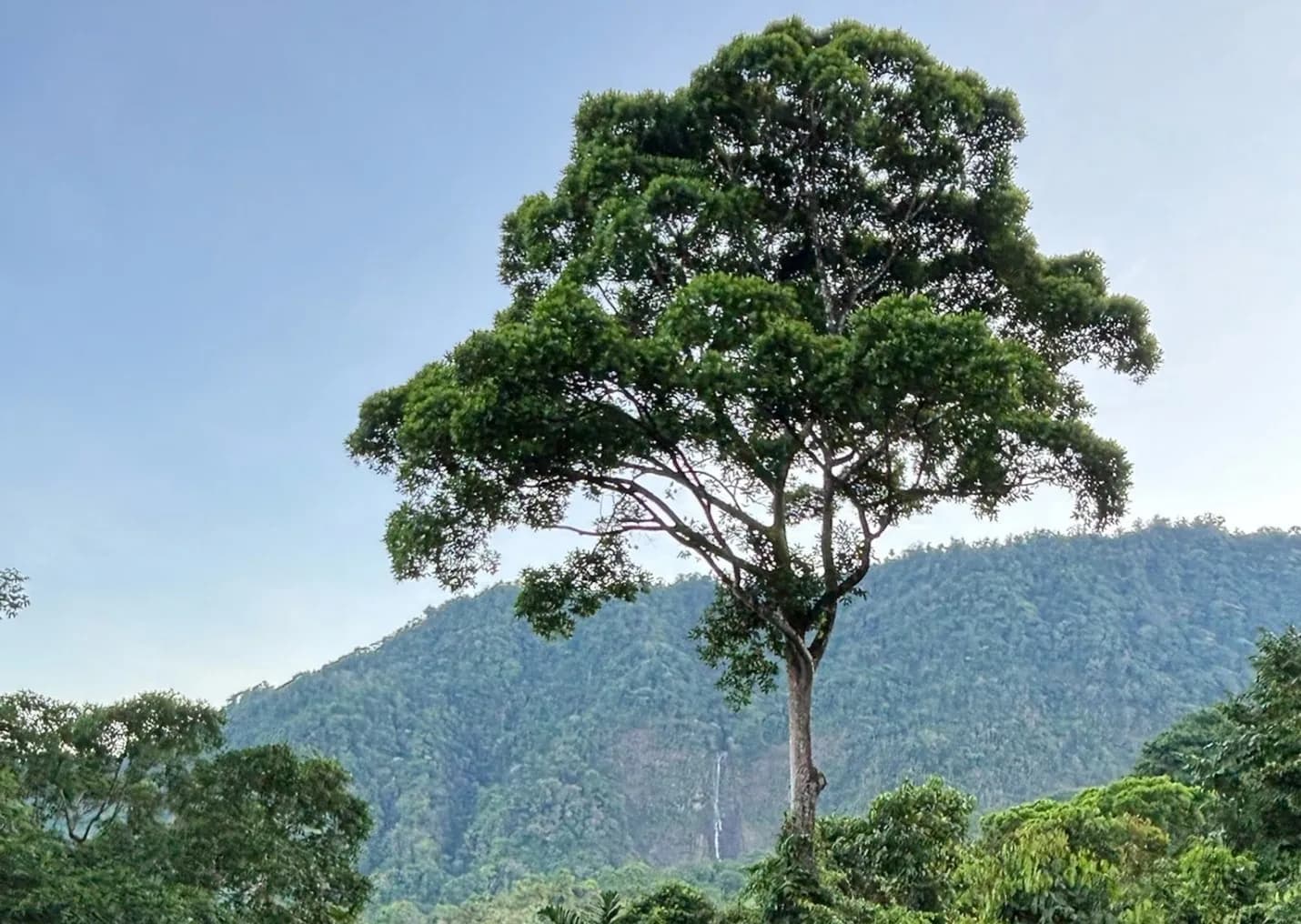
Natural water features like the Diamante Waterfall will begin flourish, allowing you to see them in a fuller, more grandiose state. Around this time of year, sea turtles will also begin nesting in key hotspots around Costa Rica, on both the Pacific and Caribbean coasts. And as tourists continue to drop off, the price of many experiences will often follow, opening up options for thriftier travelers.
But what really makes June stand out in Costa Rica is the start of the surfing season on the Pacific coast. The more consistent showers lead to bigger ocean swells. For experienced surfers looking to travel to Costa Rica, June can be a great time to catch some waves while beating the crowds that may begin to arrive in July.

July
- Brief return to summery weather
- Most popular summer month
- Great time for both beach and rainforest trips
While the weather in Costa Rica in the summer months typically keeps crowds lower than in other tourist destinations, July tends to be the most popular summer month to visit—and for good reason. For a brief period of about two weeks, the heavier rain subsides, leaving sunny, beachy weather almost reminiscent of the dry season. This is called the veranillo, or “little summer,” and it is widely considered to be a great time to travel to Costa Rica.
Surfing opportunities are still great in July, and the environment, revitalized by the rainfall of the past few months, is teeming with life. While it’s a popular time to travel, crowds may also be less dense than they are in the late winter and early springtime.
If you’re hoping to visit Costa Rica during the veranillo, prepare for warmer, drier weather than the rest of the rainy season, but be sure to prepare for occasional rainfall, as it does not subside entirely. It’s also important to note that the Caribbean coast does not generally experience this veranillo, and tends to continue to have heavier showers throughout the month.
August
- Rainier weather
- Great time to see waterfalls
- Lower crowds, except on the Caribbean coast
Though it is possible for some of the clear skies of the veranillo to carry over into August, for the most part, this month sees more consistent rain in the main body of Costa Rica. While this may mean less consistent sun on the beach, it is an opportune time to see the rainforest come alive.
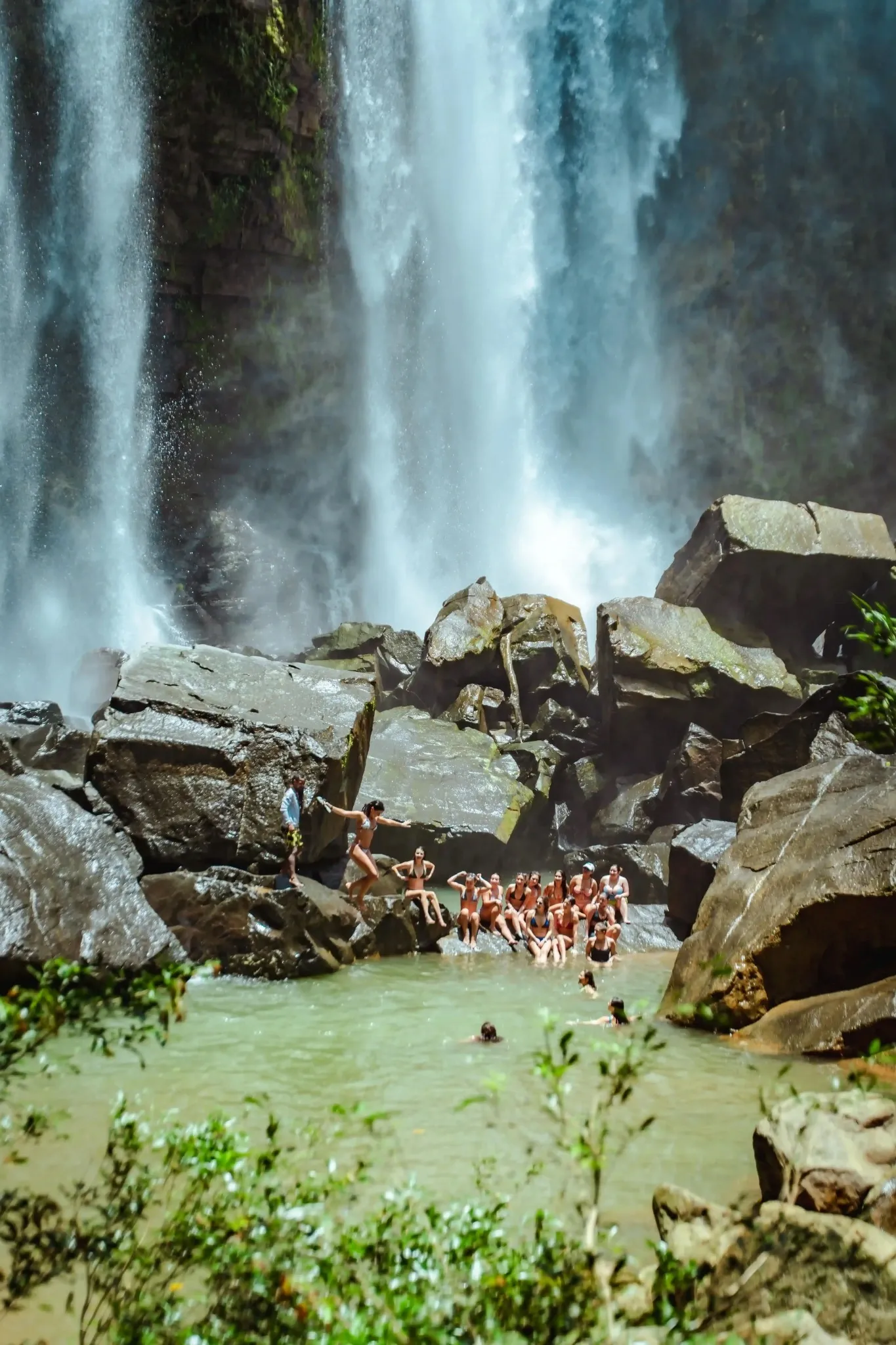
Waterfall enthusiasts will surely appreciate the increased intensity of the various natural falls in Costa Rica, like the Nauyaca Waterfalls or the towering Diamante Waterfall, all bolstered by steady rainfall. Though not oppressive, the rain can get heavy at times, so travelers should plan accordingly and always have ponchos on hand.
Due to the rainy season, most of Costa Rica sees lower crowds and pricing during this time. On the other hand, August is when the Caribbean coast starts to enter its dry season. If you’re hoping to hit the beach on this side of Costa Rica, this can be a great time to do it—however, it is also one of the most popular times to visit Costa Rica’s Caribbean side, so crowds can be more intense.
September
- Heavier rain, except on Caribbean coast
- Cheaper and quieter
- Whale-watching season starts
In the Pacific side of Costa Rica, September is when rain stops being an occasional factor and starts becoming the norm. This doesn’t mean it’s a bad time to visit Costa Rica. But it does mean that it’s less of a time for basking in the sun and more of a time for exploring Costa Rica’s rich biodiversity. September can be one of the best times to travel to Costa Rica if you’re looking to see wildlife.
During this rainy period, forested areas like the Diamante Valley will grow more lively, bursting with greenery. Many birds spending their summers in northern regions may start their flight south around this time, presenting the opportunity to spot them on their way. September is also when whale-watching season begins to pick up in Costa Rica, a great time to see humpback whales on the South Pacific.
On September 14 and 15, Costa Rica celebrates its Independence Day, which can be an exciting cultural experience if you attend any of the festivities. However, it also means that urban centers can get congested during this time. Otherwise, September tends to bring low crowds and it is often easier to get a good deal.
As for the Caribbean coast, September is one of the driest months, right in the middle of one of its dry seasons. So, if you’re still hoping to catch some rays, the Caribbean offers sunnier shores. September in Costa Rica might initially seem like a rough time to visit, but depending where you go, it has something for nearly all types of travelers, and with the summer months coming to an end, you can often find cheaper experiences with less crowding. Despite what one might assume, September can be one of the best months to visit Costa Rica.
October
- Rain can be severe across the country
- Dry period on Caribbean coast
- Rainforest still thrives
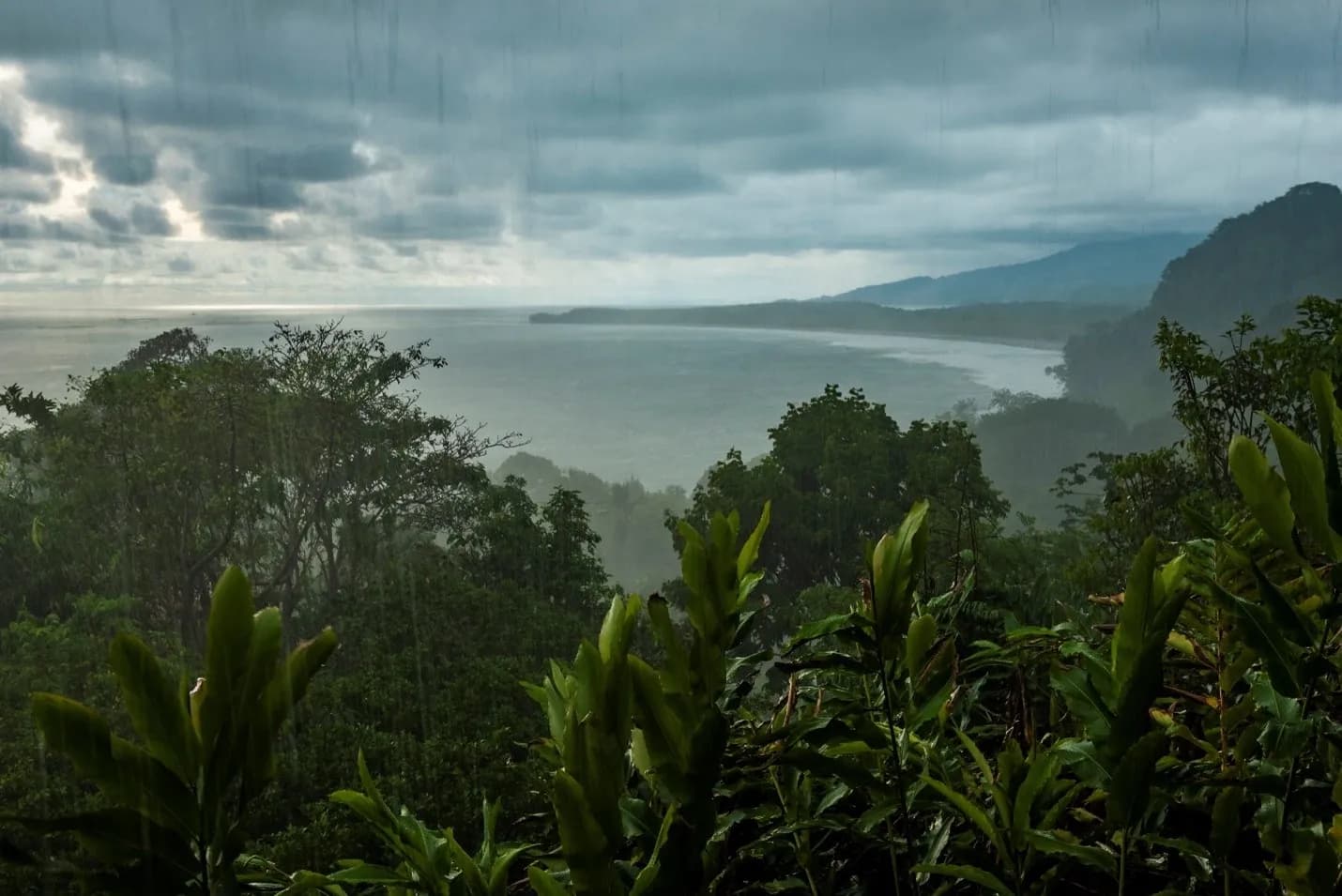
Many of the trends seen in September continue into October in Costa Rica, but the rain will likely get even heavier, which can cause terrain to become muddy and make it difficult to get from place to place. This is likely the rainiest month on the Pacific end of Costa Rica—that means the natural environment is at some of its liveliest, but the crowds, and the prices, will be at some of their lowest.
Whether or not October is a good time to visit this side of Costa Rica ultimately comes down to personal preference. At times, you can catch gorgeous views of rainforests and waterfalls, but you should be extra careful on hiking trails as muddy terrain can pose a hazard. There is still plenty to do and see, but if thorough showers don’t sound like a good time, you might need to make other plans.
However, on the Caribbean coast, October can be one of the best times to visit. Not only does October sit in the middle of a dry period for the Caribbean, but it also sits comfortably in between the peak travel seasons of the summer months and the winter holidays. If you’re looking for an October trip to Costa Rica but don’t want to be dealing with consistent rain, the Caribbean may be a perfect place to land.
November
- Transition period on both coasts
- Great time to see waterfalls
- Lower crowds before holiday rush
November is a month of transition for both climatic regions of Costa Rica, with the Pacific side transitioning back towards the dry season while the Caribbean side begins entering its rainy season again.
What you can expect is a season similar to May on the Pacific coast. You’ll be able to see plenty of the lingering benefits of the rain without it being quite so much of a constant factor in your trip. It can be an especially great time to view waterfalls, still benefitting from October’s rainfall, but with more tolerable weather for the average traveler.
Still, you should expect some rain showers throughout, especially in the afternoons on the Caribbean side, but if you’re looking for a nice middle ground that allows you to see sunny beaches and vibrant greenery, before the holiday crowd rolls in, November may be ideal. Late November can be especially beautiful on the Pacific side, but note that crowd volume will start increasing around this time as well.
December
- Holidays increase crowding and pricing
- Gorgeous weather
- Holiday festivities throughout the month
Last, but certainly not least, is December. With the combination of the dry season’s triumphant return on the Pacific coast and the oncoming holiday travel surge, December is one of the busiest seasons for travel in Costa Rica. While the early days of December might still see some rainfall, by the end of the month the dry, sunny weather that draws crowds will be in full effect. Though the weather will dry up—except in the Caribbean coast, which sees heavier rain throughout the month—the plant life will still be gorgeously green thanks to the rainy period.
Crowding will be high, but this doesn’t have to be a bad thing. Especially with many travelers coming to celebrate Christmas in Costa Rica, there can be a lively energy and during the peak of the holiday season you may even be able to find celebratory festivals for the holidays. That being said, if you plan to travel to Costa Rica in December, you should plan around high crowd volume.
This isn’t just about public spaces being a little more crowded. If you’re not planning properly, the crowds can become a major inconvenience, causing delays in transportation and limiting your booking options. The key is to plan well in advance—six months or even a year ahead—and to expect slowdowns throughout. Leave yourself time to account for delays, such as waiting for a bus or waiting in long lines through customs.
Final Thoughts
There is no one-size-fits-all answer to the best time to travel to Costa Rica. Some visitors will prefer hot, dry weather, while others will be happy to go during the rainy period. Some will want to plan for a time with low crowding, while others won’t mind the extra hustle and bustle. Aside from this, different travelers will have different priorities and different interests that should inform their decision-making. It’s wise to take all this into consideration, but remember that the nation has an abundance of offerings at any time of year.
When arranging to stay in Costa Rica, it helps to have support from planners who understand the local trends and can give you specific, personalized advice. Whether you want a serene escape into the rainforest, or a high-energy vacation packed with adventure, Vajra Jahra can help you plan the perfect getaway come rain or shine. We offer full coordinative support, a variety of onsite amenities, and a host of different excursions and activities for every season in Costa Rica, so any time of year can be the best time to visit. Get in touch today to begin your journey!
Recent Posts

Understanding Kundalini Yoga: What It Is & What It Isn't
Discover what kundalini yoga is, its ancient roots, and the truth behind its reputation for danger.

Top 5 Best Places to Host a Yoga Retreat in Costa Rica
Looking for the best place to host a yoga retreat in Costa Rica? Our top picks ranked, and why they stand out.

Reflecting on the Disastrous Plex Corporate Retreat: What Went Wrong?
Diving Into the Story of a Corporate Retreat That Almost Became Its Own Horror Movie—and What We Can Learn From It.

Ready to book?
Start planning your next adventure at Vajra Jahra Retreat Center.